HOME & Spiritual Life
M. Moncada
UCCP IS MY NAME - EVANGELICAL IS MY SURNAME byAl Tinio
I. THE COVENANT WE GUARD
We stand in the noble and faithful line of those who, in 1948, knelt before God and joined hands to form the United Church of Christ in the Philippines. They built not merely an institution, but a covenant sealed in heaven:
“We unite in one church to proclaim the one unchanging Gospel of our Lord Jesus Christ, rooted in the authority of Holy Scripture, anchored in salvation by grace alone through faith alone in Christ alone.”
This Basis of Union is not a human contract to be rewritten by human hands - it is a sacred trust, a deposit committed to us by the Holy Spirit, to be kept pure and handed down intact.
II. THE CRISIS BEFORE US
We speak plainly and with sorrow: that which was entrusted is being tampered with today.
● The 1948 Basis of Union - our founding confession - is being revised, diluted, and reworded to suit shifting preferences rather than historic faithfulness.
● The Constitution and Bylaws are being amended not to serve the Gospel, but to consolidate authority, suppress godly dissent, and remove faithful servants without due process.
● Dedicated church workers, lay leaders, and faithful congregations are being silenced, suspended, or expelled - not for moral failure, but for refusing to compromise the truth.
Leaders may issue decrees. Commissions may rewrite statements. Assemblies may vote to alter what our forebears swore to preserve. They may change the wording on paper - but they cannot change the Truth in our hearts.
III. WHAT NO HUMAN HAND CAN ERASE
The Council of Bishops may alter the Basis of Union; they may reshape the Constitution; they may rearrange structures. But what is written in the marrow of my bones cannot be erased.
The Truth we hold was not written by convention - it was written by the finger of God:
● Scripture alone is our final authority - unchangeable, unnegotiable, unaffected by any vote.
● Grace alone saves us - not position, not service, not conformity to leadership.
● Christ alone is Head of the Church - no bishop, no assembly, no office stands above Him.
● Faith alone is our response - a living trust in the finished work of the Cross.
You may remove our names from membership rolls - but you cannot remove His name from our lips.
You may close doors against us - but you cannot close the door Christ has opened.
You may expel us from the halls - but you cannot expel us from His presence.
What God has written, no human hand can blot out.
IV. UNITED IN FELLOWSHIP - UNYIELDING IN TRUTH
I am United in visible fellowship - but I am Evangelical in unyielding conviction.
We do not seek division - we weep over it. We love this church: its congregations, its faithful ministers, its devoted lay people, its witness across our islands. We remain - not to endorse error, but to uphold the truth within the household of faith.
● United - because Christ prayed that we may be one. We honor the fellowship; we cherish the name; we serve the body.
● Evangelical - because the Gospel permits no compromise. We will not trade doctrine for peace; we will not surrender Scripture for status; we will not dilute the Cross for the sake of hollow harmony.
We seek the unity of the faithful - not the silence of the intimidated.
V. ANCHORED TO THE EVERLASTING GOSPEL
WeI belong to the universal church - but we are anchored to the everlasting Gospel.
Our ultimate loyalty is not to an office, not to a council, not to a document - it is to the Faith once for all entrusted to the saints.
When institutions drift - the Truth remains.
When leaders change - Christ stands the same.
When seasons shift - His mercies are new every morning.
We do not build our hope on what is temporary - we build on the Rock that never moves.
VI. SOLEMN VOW AND DECLARATION
Therefore, before God and before all people, we declare and vow:
We will not separate from the body - but we will never separate from the Truth. Where the church is faithful, we serve; where it errs, we speak; where it compromises, we stand.
We will love the church - but we will love the Head of the Church more. We honor those who lead - but we obey Christ alone.
We will walk with our brothers and sisters - but we will walk only where the Word leads. We will not follow where Scripture does not go.
We will guard the deposit - for this generation and the next. What we received unchanged, we will deliver unchanged.
VII. THE NAME THAT ENDURES
UCCP - this is our name, written in records and history.
Evangelical - this is our surname, written by God upon our hearts.
The records may be rewritten.
The directories may be revised.
The seasons may change.
But the heart outlasts the records.
The Truth outlasts the seasons.
And He who is the Truth - Jesus Christ, the same yesterday, today, and forever - He stands forever.
“The grass withers and the flower fades, but the word of our God shall stand forever.” - Isaiah 40:8
So let it be known. So let it be
/shared by M. Moncada / Sept 19, 2026
Bro. M. Moncada
IS VIRTUE GREATER THAN VALUE
Bible Verses About Virtue
2 Peter 1:5-7:
Make every effort to add virtue to your faith. Then add knowledge, self-control, and love.
Philippians 4:8:
Think about whatever is true, noble, right, pure, lovely, and admirable.
Galatians 5:22-23:
The fruit of the Spirit is love, joy, peace, patience, kindness, goodness, faithfulness, gentleness, and self-control.
Colossians 3:12-14:
Clothe yourselves with compassion, kindness, humility, gentleness, and patience.And over all these virtues, put on love, which binds them all together in perfect unity."
Proverbs 31:10:
A truly virtuous person is far more precious than jewels.
Bible reference for Core Christian Values
Micah 6:8
"He has shown you, O mortal, what is good. And what does the LORD require of you? To act justly and to love mercy and to walk humbly with your God."
Galatians 5:22–23
"The fruit of the Spirit is love, joy, peace, forbearance, kindness, goodness, faithfulness, gentleness and self-control."
Colossians 3:12-14
"Clothe yourselves with compassion, kindness, humility, gentleness and patience... And over all these virtues put on love, which binds them all together in perfect unity."
Philippians 4:8
"Whatever is true, whatever is noble, whatever is right, whatever is pure, whatever is lovely, whatever is admirable—if anything is excellent or praiseworthy—think about such things."
Yes, classical and philosophical traditions generally consider virtue greater than value.
Values are what you hold important or desire (the "why" or goal), while Virtues are lived, moral action and fixed habits of good character (the practical reality).
Key Differences
Values: Aspirational ideals, personal preferences, or guiding principles that can change over time and do not guarantee moral action. They are personally we care about, flexible, subjective, and prone to change over time that they guides of what we hold dear and give us direction.
Virtues are universally moral, Timeless traits, steady across cultures, and proven by action, and Traits that put those values into action to give us the traction to do good. Inherent moral excellence and active traits (like justice, courage, and temperance) that govern how you properly use external things.
What Each Produces
Values produce: Direction, motivation, and prioritization. They help you choose goals and decide what matters in life.
Virtues produce: Human flourishing, true character ( like humility...) and wise action. It is generally believed that virtue ensures that you use wealth, health, and knowledge correctly rather than destructively.
How Virtue is Generated
Habit and Practice: Virtue grows through repeated good actions, much like training a skill.
Reflection: Thinking on wise choices helps turn good ideas into steady character traits.
Community: Living and working with others helps test and strengthen our moral strength.
Discipline: Pushing past hard moments builds the daily strength to do what is right.
Which Gospel ( Saving or Social) SUPPORT Virtues?
Both the "saving gospel" (evangelical/personal salvation) and the "social gospel" support virtues, but they focus on different types of moral actions and character traits.
Saving Gospel Virtues. The saving gospel focuses on PERSONAL FAITH, individual moral choices, and a personal relationship with God. It values inward holiness and personal piety.
* Faith and Repentance: Trusting in God and turning away from personal sin.
* Purity and Honesty: Keeping one's personal life clean, truthful, and obedient to God.
* Compassion for Individuals: Helping neighbors, family, and friends through direct, personal acts of kindness.
* Patience and Humility: Submitting to God's will and focusing on spiritual growth.
In CONTRAST with the "Social Gospel" Virtues. The social gospel focuses on societal structures, collective justice, and loving one's neighbor by fixing broken systems. It values outward righteousness and systemic change.
* Justice and Fairness: Fighting against poverty, racism, and unfair labor laws.
* Community Responsibility: Working together to lift up the poor and the weak.
* Peacemaking: Ending wars and promoting harmony between different groups of people.
* Stewardship of Society: Taking care of the public good, education, and health for everyone.
/M. Moncada/Aug 21, 2026
Bro. M. Moncada
VALUES
A Family and Home Reminder Message for this week to consider.
Background: The recent tragic events in our school system may indicate evidence of degradation of the nation family value system. In addition to the prevailing National headlines, it means going from a higher or better state to a worse one.
Family (Personal) values are stable "INNER" core beliefs that
1. guide behavior and decisions.
2. formed through a lifelong mix of
* FAMILY upbringing (NUCM should primarily depends on spiritually through scripture)
* Secular personal experiences, cultural and social exposures and interactions we learn what brings PURPOSE, success, security, or meaning.
Here are two (2) prevailing Gospels advocated by many mainline denominations within their respective ministry that happen to have effects on inner VALUES. I humbly believes within the UCCP, these are in effect. The older generation like myself, holds on the classic Saving Gospel.
A. The "Social Gospel" effectively shapes values by:
* shifting focus "from a "purely personal salvation to collective Christian ethics",
* champions virtues like justice, empathy, and systemic equality .
* impacts seen in inspiring "concrete community action and human rights movements",
* it does face criticism for occasionally "overemphasizing human optimism" while "neglecting deeper individual SPIRITUAL realities".
B. IN CONTRAST with the True "Saving" Gospel, a classic historical Reformed Evangelical beliefs revolving with the 5 SOLAS which is highly effective in value formation because
* It moves past human initiated external rules to "change a person's INNER heart and daily actions.
* It replaces self-focus and Fear with grace, love, and mercy, guiding people to care for others and live with true purpose.
How true "Saving" Gospel Shapes Values.
1. Changes the Heart, molds our SOUL, our inner being, Him through the rebirth of our spirit, removes soul selfish desires and builds a deep wish to obey God's commands and do good.
2. With Jesus message, we have a clear example how to love the poor, forgive enemies, and treat all people with high worth.
Overall, as a church within the greater UCCP, it drives a holistic positive ministerial action through programs and projects through our CBL four NUCM Major ministries (Cross Vertical bar: ECD and CSRD and Cross Horizontal bar: ECD and CWS). As we experience this foundational belief, it leads to real work, such as helping the weak and building fair communities. It surely leaves a legacy that lasts over time because it is Scripturally guided Internal values to stay strong through life changes and hard times.
/M. Moncada/ August 21, 2026
By Bro. Manolito Moncada
Parable of the Faithful and Unfaithful Servants. Luke 12:42–48
Our Home and Spiritual Food as NUCM SERVANT LEADERS
The message of Luke 12:42–48 is our call to continuous faithfulness and responsible living. It reminds us being DISCIPLES, that blessings and privileges are NOT just for our personal enjoyment, but our resources for which we must give an account. It teaches us that spiritual responsibility increases PREPAREDNESS, alongside our knowledge and blessings. Along with demand of preparedness, GOD's KINGDOM , HIS CLOSENESS AND IMMEDIACY BRING A TONE OF "URGENCY".
The FULLNESS RULE OF GOD in CHRIST, IS IMMINENT, ON THE VERGE OF COMING INTO THE WORLD. We (US), must be ALREADY LIVE BY ITS DEMANDS AND SHOULD NOT BE SQUANDERING ANY TIME. OUR CALL TO ACTION, DETERMINES ONE's RELATIONSHIP to Him. This principle is famously paraphrased in the proverb, "With great power comes great responsibility."
KEY THEMES of Servanthood in Leadership RESPONSIBILITY
* BEING FAITHFUL (verses 42–44): Jesus describes a servant who manages his master’s household LEADS WELL and FEEDS OTHERS PROPERLY. When the master returns UNEXPECTEDLY and FINDS him DOING HIS JOB, the SERVANT is rewarded with an EXALTED POSITION.
* The UNFAITHFUL Servant (verses 45–46): Jesus CONTRASTS this with a servant who ASSUMES the LORD's return is DELAYED, (ex. pres jolibert gargar WILL NOT VISIT), ACTS IRRESPONSIBLY, even misuse and neglects his AUTHORITY. If the MASTER (or sa OUR PRESIDENT SUDDENLY ARRIVES), the SERVANTS FACES SEVERE CONSEQUENCES.
* Degrees of Accountability (verses 47–48): the LORD's punishment CORRESPONDS to ONE'S UNDERSTANDING. A servant who knew what their master wanted but ignored it will be severely punished, while a servant who unknowingly did wrong will receive a lighter penalty.
The CORE PRINCIPLE (verse 48): Jesus concludes: "From everyone who has been given much, much will be demanded; and from the one who has been entrusted with much, much more will be asked". This means God holds us accountable for the specific gifts, talents, and knowledge we possess.
MM / July 20, 2026
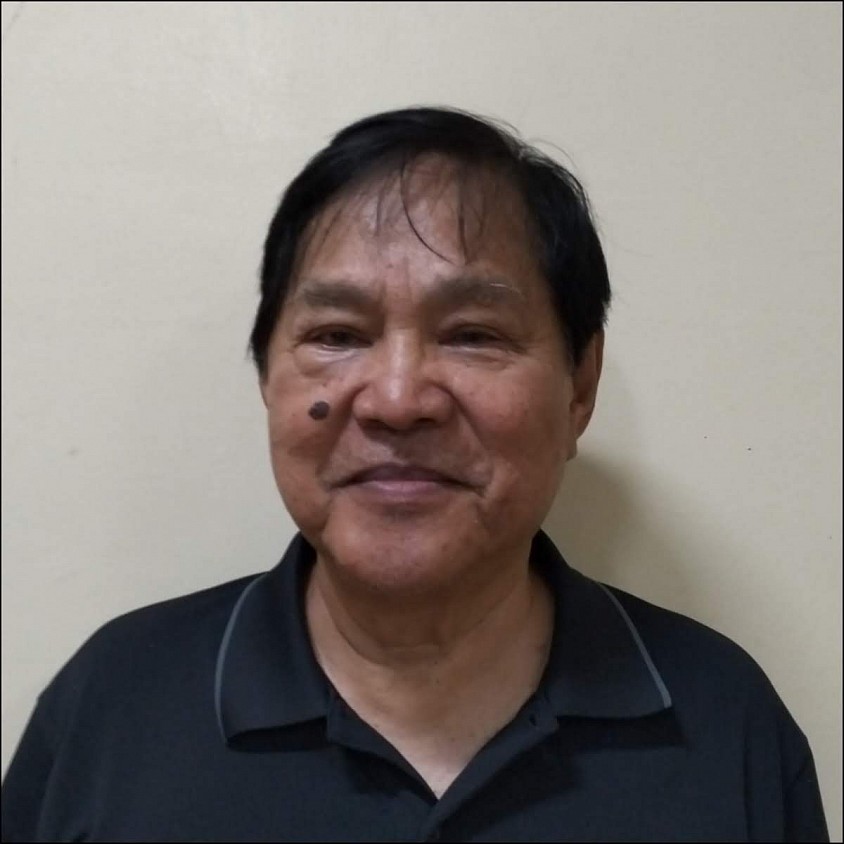
Bro. Manolito Moncada
REFLECTION
Divine Sovereignty and the Committed Heart
Proverb 16:1-6
16 The plans of the heart belong to man, but the answer of the tongue is from the Lord.
2 All the ways of a man are pure in his own eyes, but the Lord weighs the spirit.
3 Commit your work to the Lord, and your plans will be established.
4 The Lord has made everything for its purpose, even the wicked for the day of trouble.
5 Everyone who is arrogant in heart is an abomination to the Lord; be assured, he will not go unpunished.
6 By steadfast love and faithfulness, iniquity is atoned for, and by the fear of the Lord one turns away from evil.
Proverbs 16:1-6 (ESV) teaches that while humans make plans, God is completely SOVEREIGN OVER the outcomes, our motivations, and ultimate human history. It highlights our need for HUMILITY and TOTAL RELIANCE on God.
Breakdown of the Verses
Verse 1: "The plans of the heart belong to man, but the answer of the tongue is from the Lord."
Suggested Meaning (SM)
SM: While you are completely free to brainstorm and prepare what you want to say or do, it is ultimately God who controls the actual outcome and determines your words.
Verse 2: "All the ways of a man are clean in his own sight, but the Lord weighs the motives."
SM: We are naturally biased and tend to justify our own actions. However, God sees through human rationalization and perfectly judges our true intentions and spirit.
Verse 3: "Commit your work to the Lord, and your plans will be established."
SM: This is a call to surrender. When you entrust your daily tasks and overarching life goals entirely to God, He aligns our path with His Will and brings about true success.
Verse 4: "The Lord has made everything for its purpose, even the wicked for the day of trouble."
SM: God is the ultimate Creator and is in control of "absolutely everything", including evil and suffering. Even the wicked ultimately serve His sovereign, overarching purposes and will face justice on the day of judgment.
Verse 5: The Danger of Pride". Everyone who is arrogant in heart is an abomination to the Lord; be assured, he will not go unpunished."
SM:
* Arrogant in heart: This refers to a person who trusts in their own wisdom, elevates their desires above God's commands, or looks down on others.
* Abomination: It is deeply detestable to God because it represents a fundamental rebellion against the Creator.
*Will not go unpunished: God’s justice is absolute; no proud person will ultimately evade accountability.
Verse 6: The Path to Forgiveness and Wisdom". By steadfast love and faithfulness iniquity is atoned for, and by the fear of the Lord one turns away from evil."
SM:
* Steadfast love and faithfulness: These twin (2)virtues refer to how sins are covered. Theologically, this points to God's own covenantal love and loyalty (which finds ultimate fulfillment God through Christ ALONE), and on a human level, it reflects a life characterized by mercy and truth.
* Fear of the Lord: This isn't terror, but rather a profound, respectful awe of God. It produces a deep hatred for sin and results in action: actually turning away from evil.
/MM/ July 1, 2026
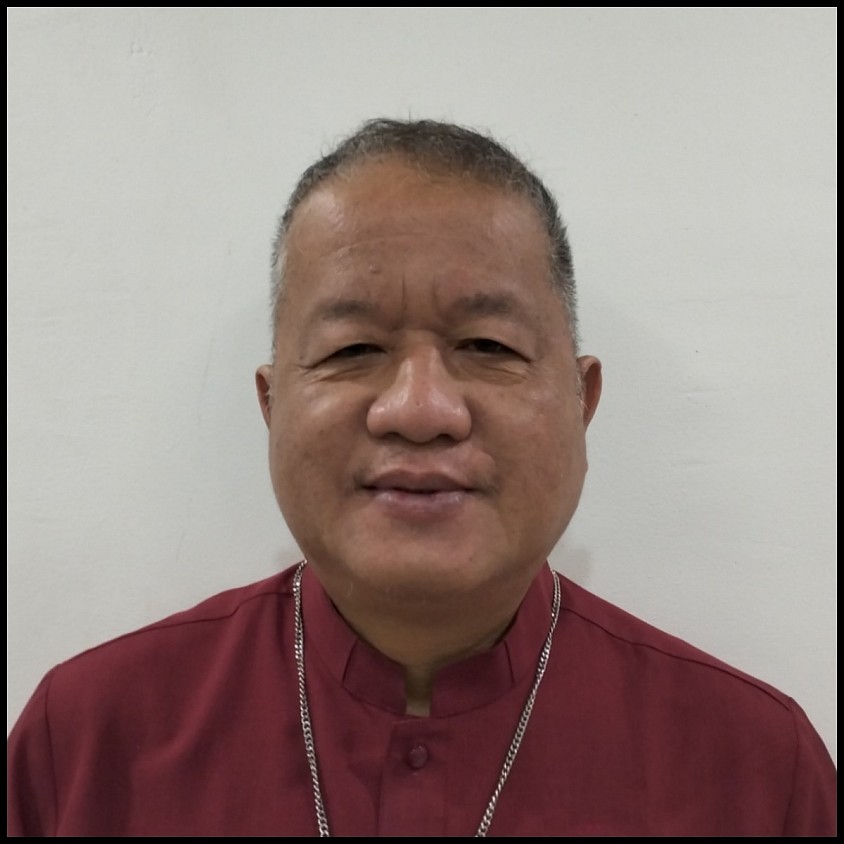
.
WALKING WITH JESUS: JOURNEYING WITH THE ANAWIM
Keynote Address for the Joint National UCM and CWA Turnover and Executive Meeting
Bishop Francisco S. Aviso, Jr.
Scripture Readings: Zechariah 7:9–10; Luke 4:18–19; Matthew 25:40
Grace and peace to you from God our Creator, from Jesus Christ our Lord and Savior, and from the Holy Spirit who continues to empower the Church for mission and ministry.
Today, we gather not merely for a turnover of responsibilities but for a sacred act of thanksgiving, recommitment, and commissioning. We thank God for the faithful service of our outgoing officers whose dedication, sacrifices, and leadership have strengthened the witness and ministry of the United Church Men (UCM) and the Christian Women’s Association (CWA). At the same time, we welcome and commission those whom God has called to lead these organizations in the coming quadrennium.
This gathering is especially meaningful because it takes place as the entire United Church of Christ in the Philippines journeys under the theme, “Walking with Jesus: Journeying with the Anawim.” This is far more than a denominational slogan. It is an invitation to rediscover the very heart of Christian discipleship.
Following Jesus is not simply about maintaining organizations, conducting meetings, implementing projects, or fulfilling institutional requirements. It is about walking where Jesus walks, loving whom Jesus loves, and participating in God’s transforming mission in the world.
Our reflection today enjoins us to three points: 1) See What Jesus Sees; 2) Go Where Jesus Goes, and 3) Do What Jesus Does. Our reflection is anchored also on three powerful biblical witnesses. Through the prophet Zechariah, God commands His people to practice justice, mercy, and compassion toward the widow, the orphan, the stranger, and the poor. In Luke’s Gospel, Jesus announces that He has been anointed to proclaim good news to the poor and freedom to the oppressed. Finally, in Matthew’s Gospel, Jesus identifies Himself with “the least of these,” declaring that whatever we do for them, we do for Him.
These Scriptures remind us that to walk with Jesus is to journey with the Anawim.
Allow me to reflect on this calling through three invitations.
I. SEE WHAT JESUS SEES
Seeing the Anawim Through Christ’s Eyes
Everything begins with how we see.
The prophet Zechariah declares:
“Render true judgments, show kindness and mercy to one another; do not oppress the widow, the orphan, the stranger, or the poor.”
These words remind us that authentic worship can never be separated from justice. Faith that ignores the suffering of others ceases to reflect the heart of God.
Jeremiah echoes this same truth when he declares that defending the cause of the poor and needy is the very essence of knowing God. Knowing God is not merely believing correct doctrines or performing religious rituals. To know God is to participate in God’s compassion for those who suffer poverty, exclusion, oppression, and injustice.
When Jesus stood in the synagogue at Nazareth, He announced His mission:
“The Spirit of the Lord is upon me because He has anointed me to bring good news to the poor.”
This declaration reveals the character of God’s Kingdom. Jesus deliberately chose to center His ministry among those whom society ignored—the poor, the brokenhearted, the sick, the oppressed, and the forgotten.
Throughout Scripture these people are called the Anawim—the poor, the humble, the powerless, and those whose only security is God.
If we desire to walk faithfully with Jesus, we must first learn to see the Anawim through His eyes.
Too often we reduce poverty to statistics, suffering to headlines, and marginalized communities to beneficiaries of church programs. Jesus never saw categories. He saw persons. He saw dignity where others saw disgrace. He saw hope where others saw despair. He saw beloved children of God where society saw burdens.
The Anawim are not simply recipients of our ministry.
They are bearers of God’s image.
They are members of God’s household.
They are often our teachers.
They teach us perseverance in hardship, faith amid uncertainty, and hope despite suffering. As we accompany them, we frequently discover that God has already been at work among them long before we arrived.
The Gospel also speaks lovingly to those blessed with wealth, influence, and privilege. Jesus’ encounter with the Rich Young Ruler, the transformation of Zacchaeus, Paul’s instruction to the wealthy, and James’ warning against favoritism remind us that discipleship calls every person into faithful stewardship. God’s concern for the poor is never meant to exclude the rich but to invite them into lives marked by generosity, justice, humility, and responsible stewardship.
In God’s Kingdom, both the poor and the rich are called to walk together under the lordship of Christ.
